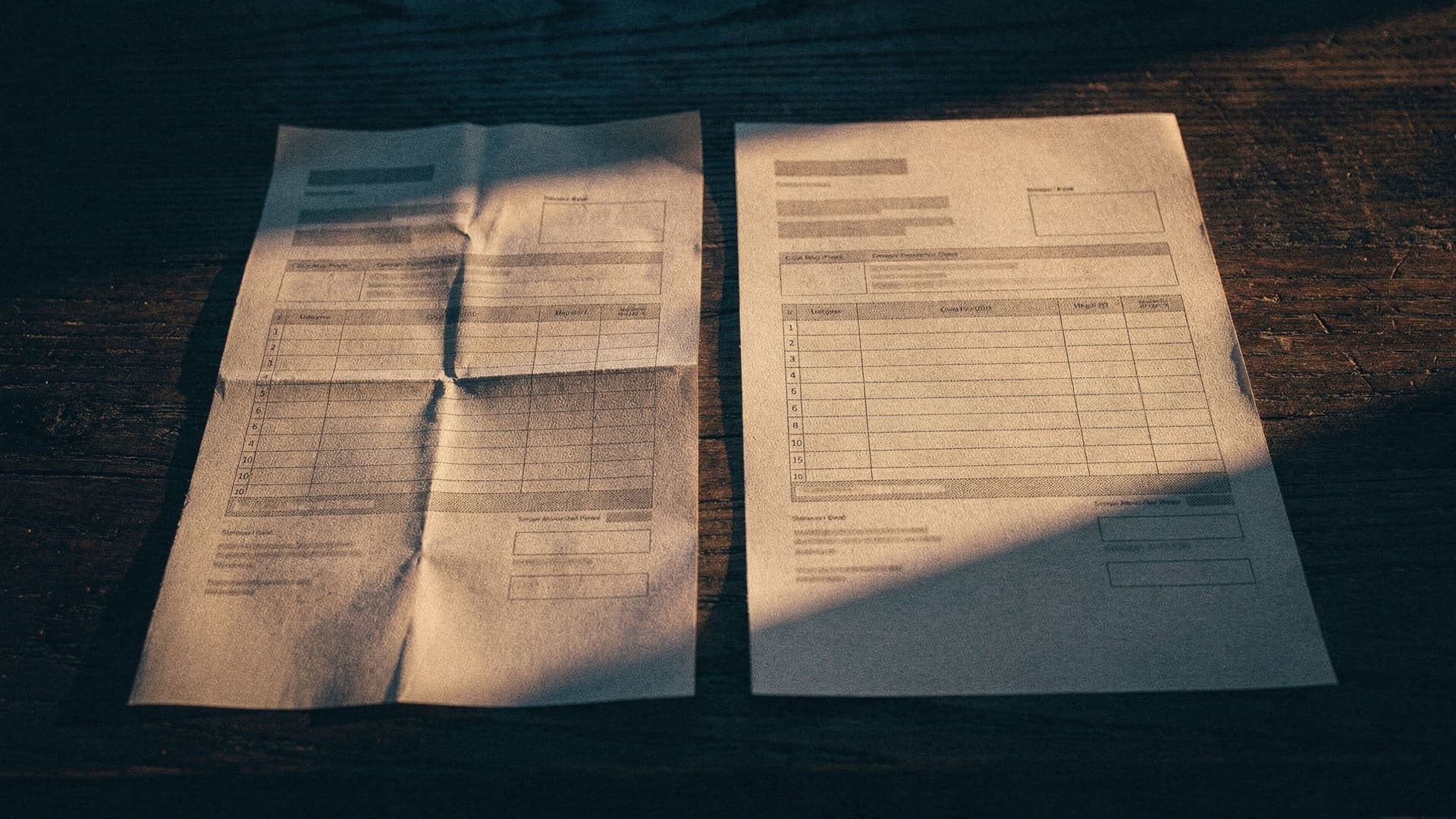



A bill, then silence
Every year my audit insurance comes up for renewal. The notice lands in my inbox about thirty days before the policy ends. My strata levies work the same way: a notice a month or so ahead of the due date, for a quarter I have not reached yet. Registrations and annual subscriptions seem to work the same way. A fair share of what my business owes arrives like this, well before it is due.
What they have in common is what happens next: nothing. The insurer does not write again. The strata manager does not write again. There is one email, and then there is the due date, and the first thing that follows a missed due date is a late fee, an interest charge, or a policy that has quietly lapsed.
That silence is the whole problem. A bill that chases you is annoying but safe. A bill that arrives early and goes quiet is the one that gets missed.
Why I don’t pay them the day they arrive
The obvious fix is to pay on receipt and be done with it. I don’t, and I think most owners paying from their own cash flow shouldn’t either.
Paying a bill a month early is a month of that money sitting in somebody else’s account instead of mine. Against an overdraft or an offset that is a real number. Even when it is not, it is a month of options: a quiet week, a client who pays late, a piece of equipment that dies. The supplier set the due date; using it is not stretching anything.
So the rational thing is to wait. And waiting, it turns out, is the hard part — because there is nowhere to wait.
So where does it live for a month?
Every place I have tried to park one of these bills has the same flaw.
- Leave it unread. Within a week it has scrolled below forty newer emails and I am relying on memory.
- Star it. Stars are already doing three other jobs, and a star says nothing about when.
- Snooze it. It comes back on some future morning as one more email in a busy inbox, which is where the trouble started.
- A calendar entry. Better, and it means typing the amount and the date by hand, and the bill itself is still somewhere else.
All of them keep the inbox on duty. I have to keep watching it for the thing I already read, and my inbox is noisy enough without watching it for things I have already dealt with once.
What I do now
The system that has held up is small. Every early bill goes on one list the day it arrives: supplier, amount, due date. The email gets marked read and left alone. Once a week I look at the list rather than the inbox — the same ten minutes the inbox guide describes — and I pay anything due in the next few days, the day before it is due if I can.
It works because the list is date-ordered and the inbox is not. It fails whenever I skip the week, which is the honest ceiling of any system that runs on discipline.
What I actually want
Not a reminder app. I do not want to type due dates into anything. I want the bill I have already read to be held somewhere with its date and amount, a list I can look at when I want to see everything, and a nudge five to seven days before each one falls due — a standing instruction I set once, not a reminder I set per bill. The email can sit in my inbox as read, and the inbox can go back to being an inbox.
That is a small ask, and no tool I have used makes it. If your version of this is different — different bills, or a trick that works — I would like to hear it. Write to me at hello@heydawn.ai; I read and answer these myself.